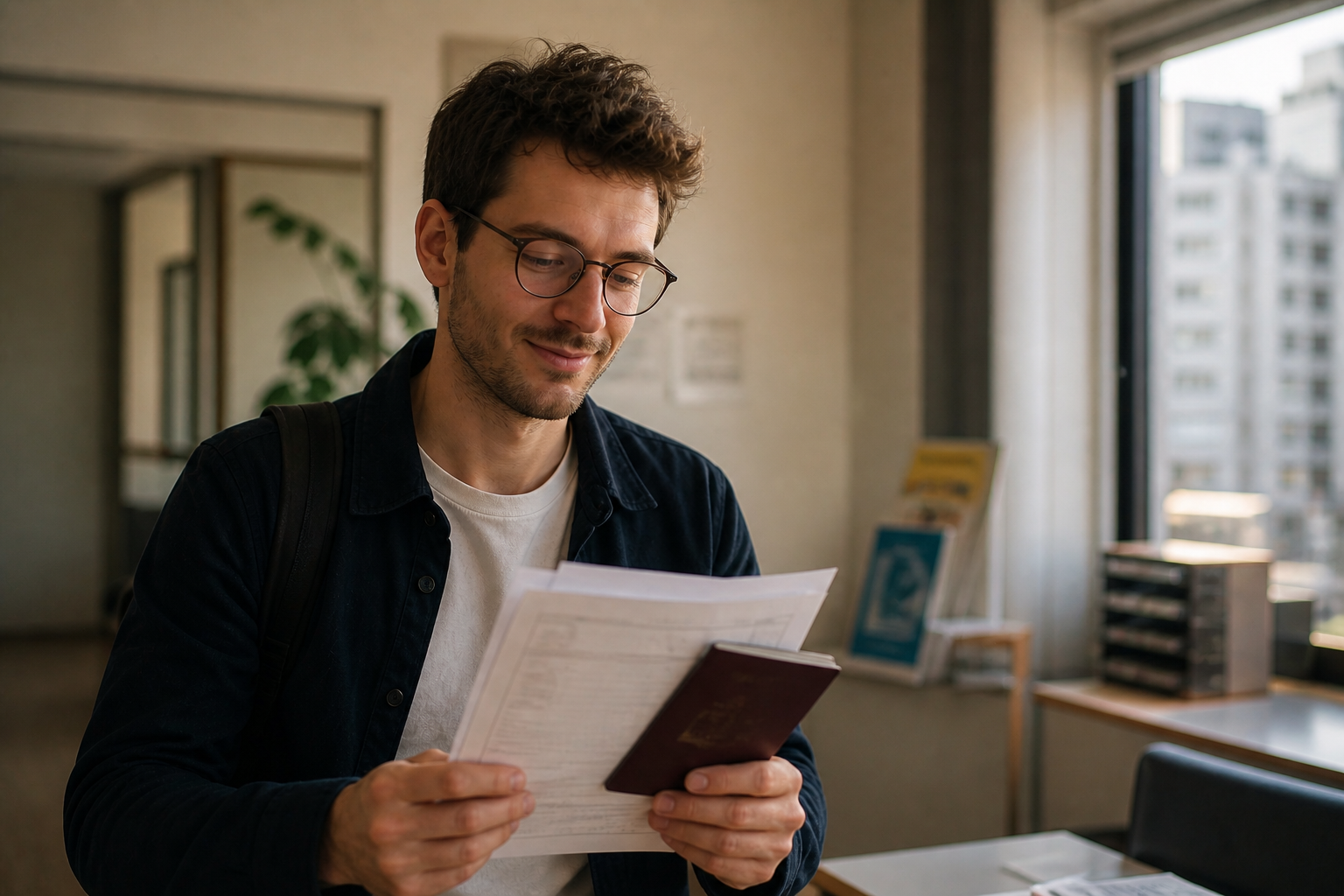
I did not choose the SSW visa. The SSW visa chose me. And it changed everything. If you are a foreigner in Japan trying to figure out your next step, this post is for you.
The moment everything changed
I had heard of the SSW visa before — Specified Skilled Worker. But like many foreigners living in Japan, I had only a vague idea of what it actually meant. It was one of those things you file away in the back of your mind and think you will figure out later.
Then later arrived suddenly, without warning.
Due to circumstances involving my previous company and a careless administrative mistake, my visa was cancelled. In an instant, the life I had built over six years in Japan felt like it was slipping away. I was not in financial trouble — I come from a well-off family back in Nepal, and returning home was an option. But it was not the option I wanted. Japan had become my home. The thought of leaving was something I was simply not mentally prepared for.
So I did what anyone does in a moment of panic and uncertainty. I searched the internet.
And there it was — the SSW visa.
When I found it, I felt something I had not felt in days: relief. Real, genuine relief. There was a way forward. I just had to figure out how to take it.
What is the SSW visa?
The SSW — Specified Skilled Worker — visa is a Japanese work visa designed for foreigners who want to work in specific industries that face labour shortages in Japan. Caregiving, or kaigo, is one of those industries.
To qualify, you need to pass two things: a Japanese language test and an industry-specific skills test. For caregiving, this means demonstrating both your language ability and your understanding of basic care practices.
It is not the easiest visa to obtain — but it is absolutely achievable, even if caregiving is completely new to you. I am living proof of that.
The designated visa — my bridge to the SSW
Before I could apply for the SSW, I needed time. Time to study, time to prepare, time to take the exam. So I applied for a designated activities visa — a temporary visa that allowed me to stay in Japan for three months but did not permit me to work.
Three months. No income. A completely new field to study. And an exam to pass at the end of it.
It sounds overwhelming. But I want to be honest with you — I did not spend those three months in panic. I spent them with purpose. I had a goal, and I focused on it.
One month. Self-study. And a passed exam.
I did not enroll in a course. I did not hire a tutor. I found PDF study materials online — caregiving terminology, basic care procedures, the kind of knowledge the exam tests — and I studied on my own.
Within one month, I passed the SSW caregiving exam.
I will be honest — it was difficult. The caregiving world was completely new to me. The terminology was unfamiliar. The concepts were things I had never thought about before. But I had one significant advantage that many candidates do not have: my Japanese was strong.
Most people who take the SSW caregiving exam are at the N4 or N5 level of Japanese proficiency. I had already passed N3, and my conversational ability was at N2 level. That meant I could understand the study materials deeply, not just memorize them. Language is not just communication in Japan — it is comprehension, trust, and capability. My years of studying Japanese gave me a foundation that carried me through.
Finding the job — and discovering I was talking to an agency
After passing the exam, I searched for job postings online and contacted potential employers by phone. During one conversation, the person on the other end suggested a caregiving position in Tokyo. It was only then that I realized I was not speaking to a facility directly — I was speaking to a recruitment agency.
I did not mind. I expressed my interest in interviewing, and they arranged it.
The interview went well — better than I expected. The interviewers were visibly impressed by my Japanese. In a field where most SSW candidates come in at N4 or N5, walking in with strong N3 certification and N2-level conversation made an immediate difference. Within two to three days, I received a phone call with an approval.
I was really happy. That is the only way I can describe it. After weeks of uncertainty, the path forward was clear.
What I want you to know if you are considering this path
If you are a foreigner in Japan facing visa difficulties, or if you are considering the SSW caregiving visa, here is my honest advice — the advice I wish someone had given me.
First — language matters more than almost anything else in Japan. Even basic Japanese will open doors that would otherwise stay closed. If you are serious about building a life here, invest in your language skills before anything else. It will pay back in ways you cannot predict.
Second — learn the basics of the visa process before you need them. Understanding what visas exist and what they require gives you options in moments of crisis. Knowledge is preparation, and preparation is calm.
Third — and this is the most important thing I will say on this blog — do not panic. Do not harm yourself. Whatever situation you are facing, however impossible it feels in this moment, it is not the end. Nothing is more important than your life. Be patient. Keep moving. Someday, you will achieve great things.
And when the fear gets loud — remember one thing.
You have family waiting for you. 🇯🇵
Want to understand what caregiving in Japan truly feels like? Read Nobody Told Me Caregiving Would Break Me — And Build Me.
Ready to start your own journey? Here is my complete guide on How to Become a Caregiver in Japan.
“For more context about foreign caregivers in Japan read Why Foreign Workers Have Become Essential to Japan’s Elderly Care System.”
Leave a Reply