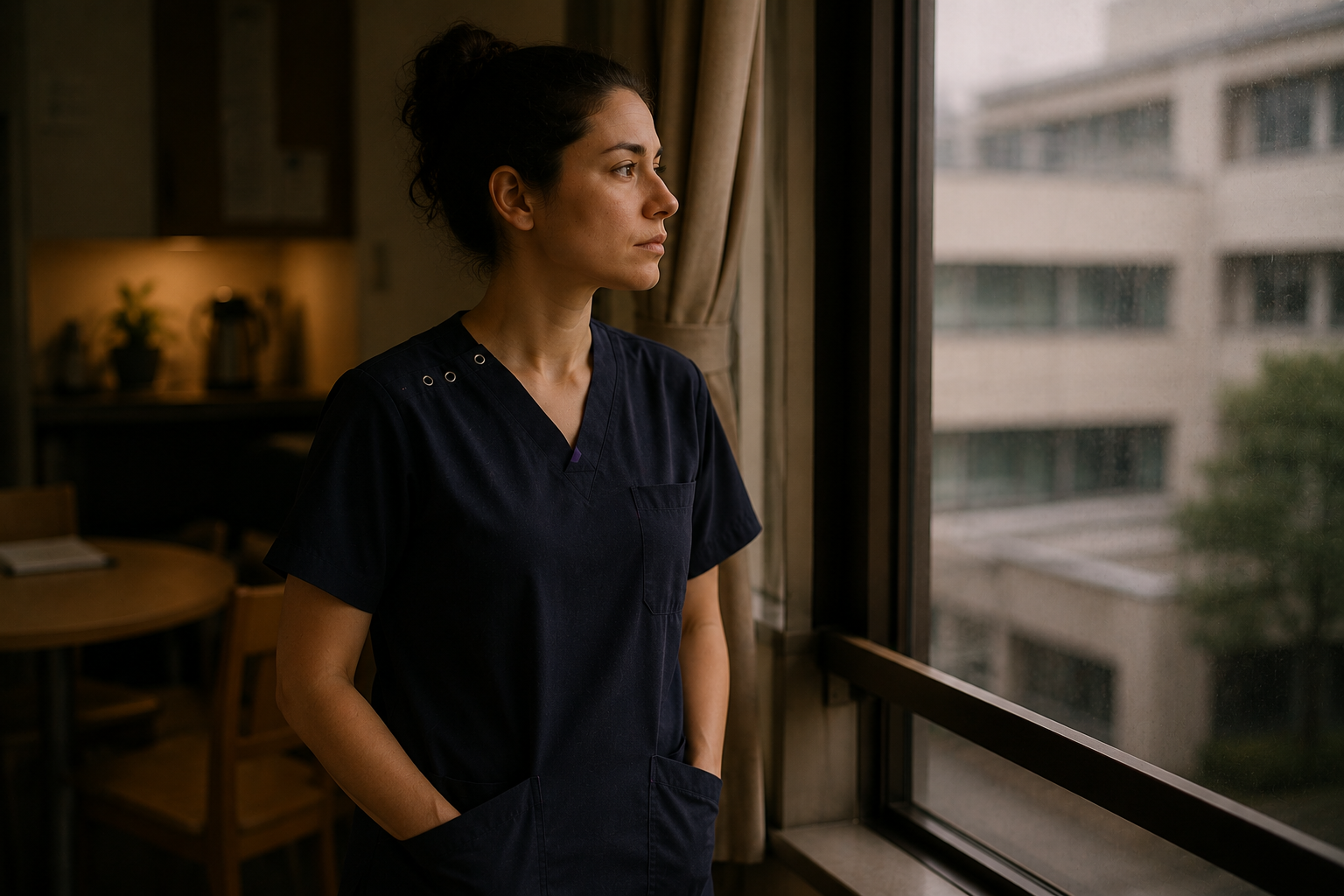
There was a point where I seriously planned to quit. Not a passing thought — a real plan. This is what that moment looked like, what I did instead of quitting, and an honest answer to whether I am glad I stayed.
The moment I decided I was done
When I am mentally exhausted, quitting is always the first thought that comes to mind. There was a specific period when this thought became serious rather than passing.
I had done my best. I had worked hard, taken on more, tried to prove myself. But the effort was not appreciated — instead, it was met with more responsibility and more work, at the same pay. That is when I seriously planned to quit.
There is something I have learned about Japan’s work culture that I think every foreigner considering this path needs to hear honestly: if you try hard, you are often not rewarded for it. You are simply given more work. But if you make even a small mistake, people get angry quickly. The incentive structure does not reward effort the way you might expect.
What I did instead of quitting
I did not quit immediately. Instead, I made a deliberate choice — I stopped working as hard.
I started doing exactly what each day required, nothing more. I gave myself six months to relax my body and reconsider my thinking before making any final decision about quitting.
During those six months, I went to work and completed what was required of me. I did not talk much beyond the usual work-related conversations. I want to be honest — there was no dramatic transformation. My feelings toward the job did not fundamentally change. Even now, two years later, I still sometimes feel like quitting. That urge has never fully disappeared.
What did shift, gradually, over those six months, was my attitude — not toward loving the job more, but toward how I carried myself within it. Nothing substantial happened in a single dramatic moment. It was simply a slow adjustment.
What is different now, two years later
One real change has come from time and position. I am now a team leader, and my colleagues respect me more than they did when I first started. They listen to my opinions. I have the ability to shift the direction of a conversation when needed. Even the nurses I work alongside respect what I have to say.
With two years of experience, I can do my job more smoothly than I could when everything felt unfamiliar and overwhelming. That fluency — knowing the rhythms, the expectations, the unspoken rules — makes the work itself feel lighter, even when the underlying frustrations with the system have not gone away.
My honest advice if you are thinking about quitting right now
I am not someone who thinks too deeply about the future. I tend to go with the flow. But from my own experience, here is what I would tell you if you are in that place right now, seriously considering quitting.
If you feel like you cannot handle things anymore, take a break — a few days, even a full week — to relax your body and your mind. Do not make the decision while you are still inside the exhaustion. During that break, genuinely ask yourself whether you should quit or not.
If the answer is yes — follow your heart. Your health matters more than any job, any salary, any sense of obligation to stay.
Am I glad I did not quit? Honestly — yes and no.
I want to give you a real answer, not a neat one.
Yes, I am glad — because staying has given me many other experiences in Japan that I would not have had otherwise. The growth, the language, the people, the life I have built here.
No, I am not entirely glad — because this work has exhausted my body and mind more than I ever expected when I started. That exhaustion is real, and pretending otherwise would not be honest.
Mental stress is like a black hole. If you do not take the time to relax and step back, you can get pulled in, and it becomes genuinely difficult to find your way back out. I say this not to frighten you, but because I wish someone had said it to me clearly before I needed to learn it myself.
Be happy. Take care of yourself. That has to come before everything else. 🇯🇵
RELATED POST: Caregiver Burnout in Japan
A Day in the Life of a Caregiver
“For more context about foreign caregivers in Japan read Why Foreign Workers Have Become Essential to Japan’s Elderly Care System.”
Leave a Reply