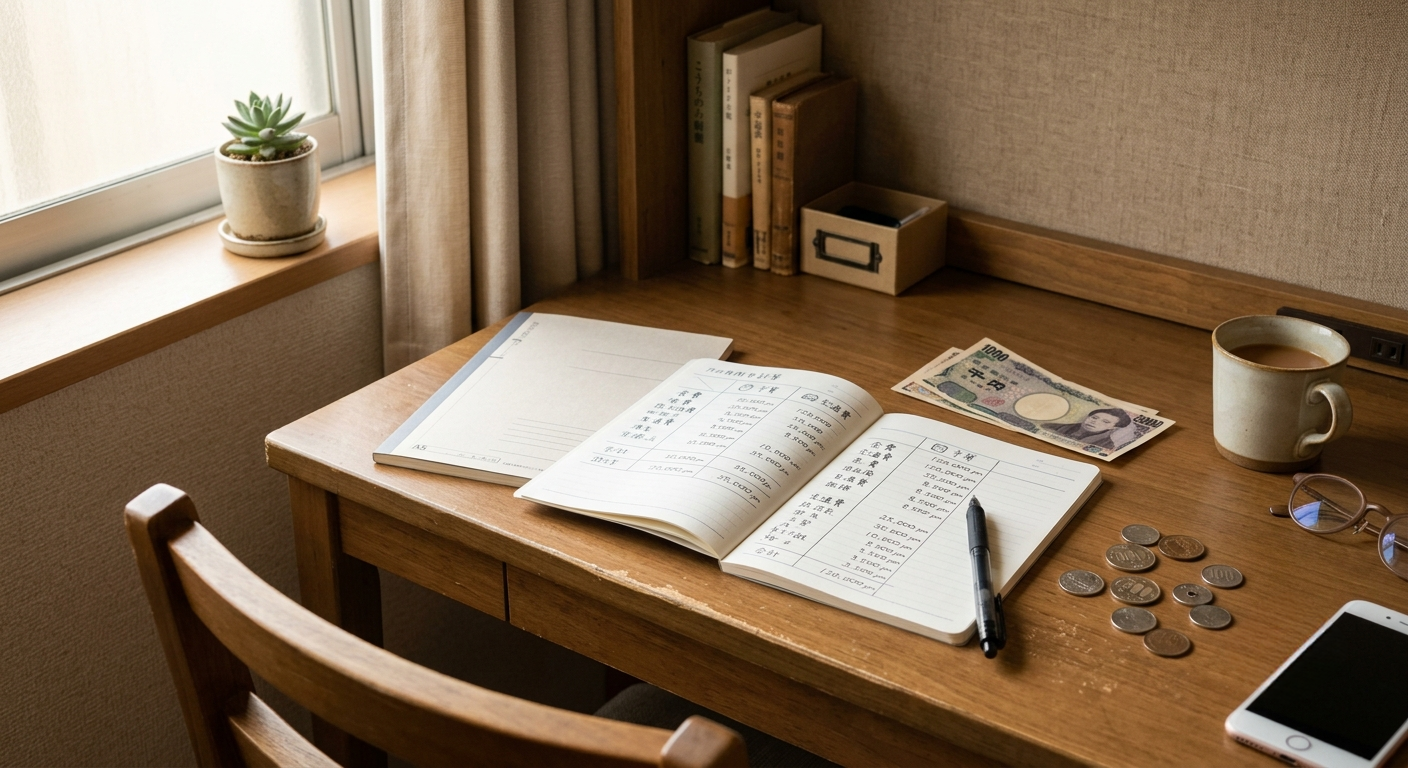
Everyone asks whether you can actually live on a caregiver salary in Japan. After eight years here and two years as a caregiver, I can tell you the honest answer — with real numbers, real habits, and no sugarcoating.
My monthly budget — the real numbers
People often ask me whether it is possible to live comfortably in Japan on a caregiver salary. The honest answer is yes — but only if you manage your money wisely. Here is exactly what my monthly expenses look like:
Monthly expenses breakdown
Rent (personal share)¥35,000
Food and groceries~¥10,000
Transport (bicycle)~¥5,000
Utilities (gas, water, electricity)¥6,000–¥7,000
SIM card¥3,000
WiFi / Internet¥5,000
Entertainment¥2,000–¥10,000
Total monthly expenses~¥66,000–¥75,000
After all these expenses, I typically have between ¥20,000 and ¥50,000 left over each month as spending money. I am comfortable — not luxuriously, but genuinely comfortable. That distinction matters.
My rent is ¥57,000 per month in total, but my company covers ¥22,000 of that — so I only pay ¥35,000. This housing subsidy makes an enormous difference. Before accepting any caregiving job in Japan, always ask about housing support. It is one of the most significant factors affecting your real cost of living.
How I keep my costs low — practical habits
My food bill is only around ¥10,000 per month because I cook almost all of my meals myself. Eating out in Japan adds up quickly — a simple restaurant meal can cost ¥800 to ¥1,500. Cooking at home is not just cheaper, it is significantly cheaper. I eat out occasionally, but it is a treat rather than a habit.
For transport, I use a bicycle for short distances and walk when possible. I do not go out much, which naturally reduces transport costs. In Japan, train and subway fares accumulate fast — especially in Tokyo. A bicycle removes that expense almost entirely for daily life near my workplace.
The principle behind all of these habits is simple: think carefully before making any purchase. I ask myself whether I truly need something before buying it. Sometimes I buy things I do not need and later regret it — so I try to pause before spending rather than impulse buying. Buy what you truly need. Cook your own food. Move by bicycle when possible. These three habits alone will save you tens of thousands of yen every month.
What surprised me about costs when I first arrived
When I first came to Japan, what surprised me most was that everything seemed to start from ¥100. The 100-yen shop — Daiso and similar stores — gave me the impression that Japan was affordable. Then I discovered rent.
Rent in Japan, particularly in or near major cities, is genuinely expensive. For foreigners without a Japanese guarantor, finding accommodation is even harder — and options are often more limited and more costly. If your employer does not provide housing support, factor this in carefully before accepting a job offer.
Utilities also vary significantly by season. Electricity bills increase in winter because of heating and air conditioning costs. During peak winter months, expect your utility bill to climb higher than the average I shared above. Plan for this rather than being caught off guard.
And I want to be honest about Japan’s current economic situation: everything is getting more expensive. Japan’s economy is under pressure, and taxes continue to rise while salaries — particularly in caregiving — remain largely stagnant. The cost of living in Japan in 2026 is higher than it was even a few years ago. Factor this into your planning.
Where foreigners waste money in Japan
After eight years of watching foreigners come and go in Japan, I have noticed a pattern in where people struggle financially — and it almost always comes down to the same things.
Brand-name products. Alcohol. Cigarettes. Flashy purchases made to impress others or keep up with what colleagues are buying.
I have a good friend who smokes two packs of cigarettes per day — and three packs on holidays. At Japanese cigarette prices, that is a significant monthly expense that quietly drains savings. Alcohol at bars and restaurants in Japan is also expensive. These are choices, not necessities — and they compound over months and years into real financial damage.
My personal philosophy is simple: I do not care what others think about me. I do what I enjoy and I do not show off. That mindset — genuinely not caring about appearances — is one of the most financially freeing things you can develop before coming to Japan.
If you struggle to manage money, consider sending a portion of your salary back to your home country every month before you can spend it. Many foreign workers in Japan use this strategy effectively — it forces savings by removing the temptation to spend.
Can you actually live comfortably on a caregiver salary in Japan?
Yes. But with an important condition.
If you are earning for yourself alone — covering your own rent, food, transport, and personal expenses — a caregiver salary in Japan is manageable. You will not live extravagantly, but you can live comfortably and save meaningfully, especially if you work night shifts and pursue the kaigo fukushi certification which can increase your earnings significantly.
If you are earning to support a family back home through remittances — the salary becomes much tighter. From my eight years of experience here, I can tell you honestly: if you earn money solely for yourself, it does not matter where you work — you can enjoy a comfortable life in Japan. But if you are sending significant money home to support a family, a basic caregiver salary may not be enough.
Know which situation you are in before you come. That clarity will shape your entire experience here.
Japan is expensive. But it is liveable — if you live wisely. 🇯🇵
→ Want to know exactly what caregivers earn in Japan? Read Here’s My Actual Payslip as a Caregiver in Japan — The Numbers Might Surprise You.
→ Curious about the certification that can increase your salary? Read What is Kaigo Fukushi Shi? The Certification That Can Double Your Salary.
→ Want to know what 8 years in Japan really taught me? Read 8 Years in Japan — What I Wish I Knew on Day One.
“For more context about foreigners living and working in Japan read Why Foreign Workers Have Become Essential to Japan’s Elderly Care System.”
Leave a Reply